
Quick answer
The Andenes whale watching building sits at Hamnegata 1C on the village harbourfront and opens daily from 08:00 to 21:00. This harbourfront base handles check-in for morning tour departures and houses the Whale Exhibition. Arriving between 09:00 and 11:00 lets you clear check-in calmly and study the displays before boats are called.
Few visitor centres owe their existence to a hole in the seabed. The Andenes whale watching building stands where it does because the Bleik Canyon, an undersea gorge plunging more than a thousand metres, cuts close to shore just north of the village. Sperm whales gather there to feed year round, so the harbourfront base at Hamnegata became the natural place to gather travellers before they head out onto the Norwegian Sea. The structure works as two things at once. It is a departure hall, where guests check in and wait for morning boats, and it is home to the Whale Exhibition, a set of displays on cetacean biology, local whaling history and the ecology of the Vesterålen shelf. Skeletons, sonar recordings and interpretive panels fill the interior, giving arrivals something to study while crews prepare the vessels. The centre has anchored Andenes tourism for decades, a role the town intends to expand. For now, the harbour building carries the full weight of that ambition, funnelling thousands of visitors each summer through a single set of doors. For most travellers the practical question is timing. The building keeps long daily hours through the summer season, and the calm stretch of late morning suits anyone who wants to move through check-in without a queue and still linger over the exhibits. First-time visitors often underestimate how much the building shapes the rhythm of a whale-watching day; it is not a museum to browse at leisure but a working threshold between land and water. Because departures cluster around the middle of the day, the harbourfront whale centre fills quickly once boats are called. Reading the interpretive material first tends to sharpen what people notice at sea — the blow patterns, the dive sequences, the way a sperm whale lifts its flukes before descending. Anyone building a day around the andenes whale watching building should treat it as the fixed point of the trip rather than a stop squeezed between others. Tours run on marine time, weather shifts fast on the Andøya coast, and the Whale Safari centre is where every plan starts and ends. Confirm a departure through the site's booking pages, arrive with margin, and let the exhibition fill the wait.
“It is not a museum to browse at leisure but a working threshold between land and water.”
What to See Inside the Andenes Whale Watching Building
Inside the Whale Center, visitors explore the depths of the ocean through engaging exhibits and scientific specimens. The facility houses a specialized exhibition area detailing local marine research, alongside complete physical specimens and a souvenir shop.
The Skeleton Room
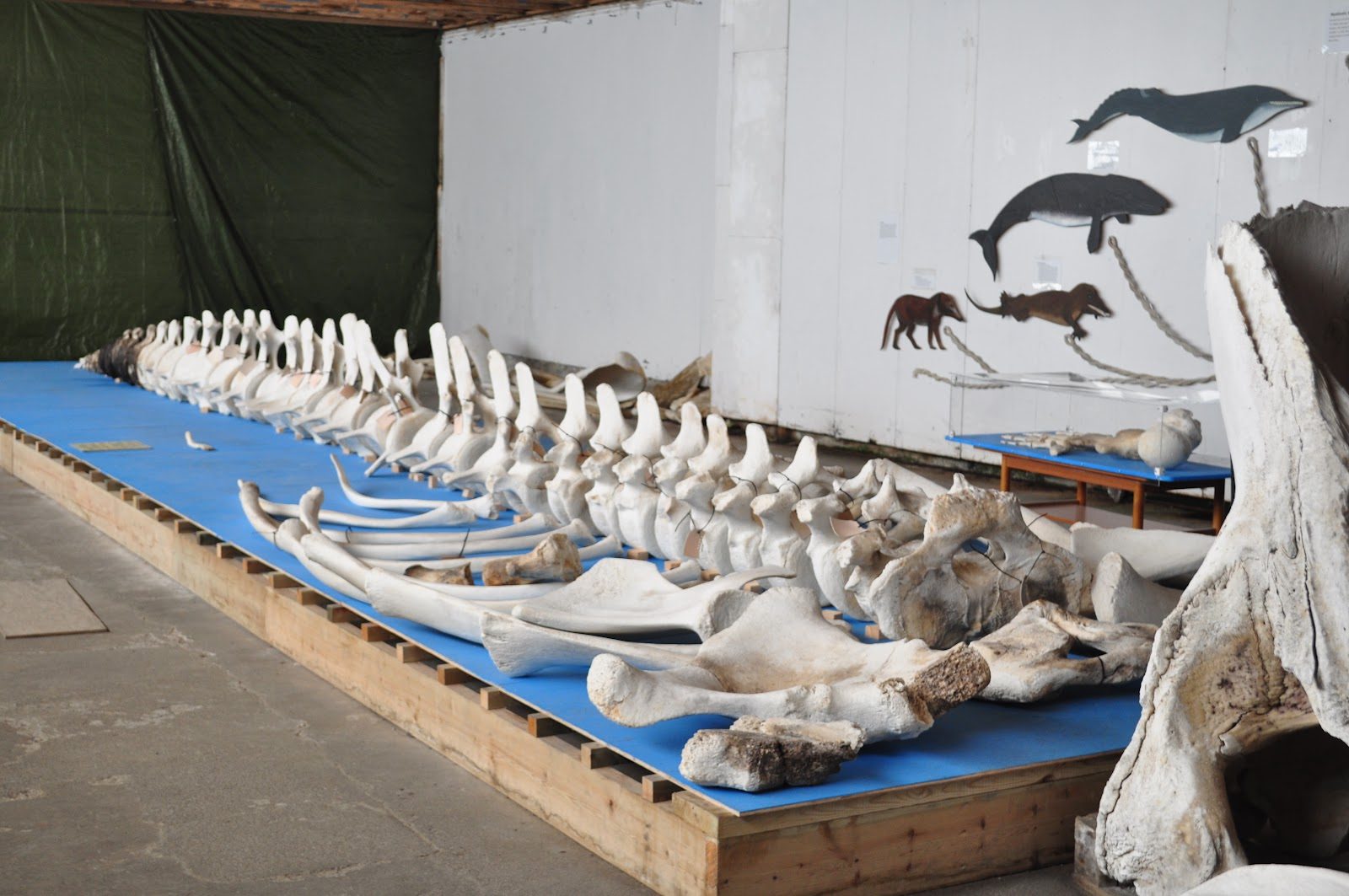
This room displays marine mammal anatomy, highlighting complete skeletal remains of three different whale species. Visitors can observe the immense scale of these creatures up close.
Stand beneath the jawbones to appreciate the massive scale of these mammals.
Map and Briefing Room
This zone highlights the unique underwater topography of the Bleik Canyon off the coast of Andenes. It illustrates why this deep-water trench attracts sperm whales year-round.
Study the bathymetric map to understand the deep-sea drop-off zone.
The Deep Sea Room
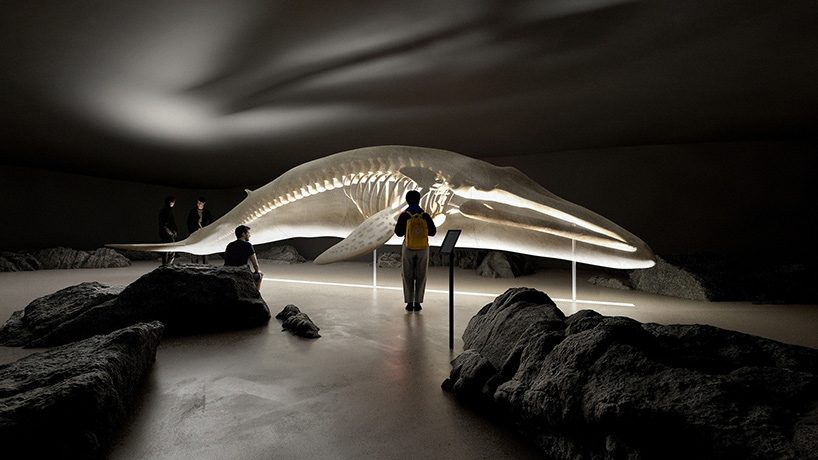
Dedicated to the mysterious ecosystems of the deep, this space highlights life inside the dark ocean trenches. It details the unique adaptations marine life uses to survive extreme pressures.
Look for the light-producing biological models representing deep-water organisms.
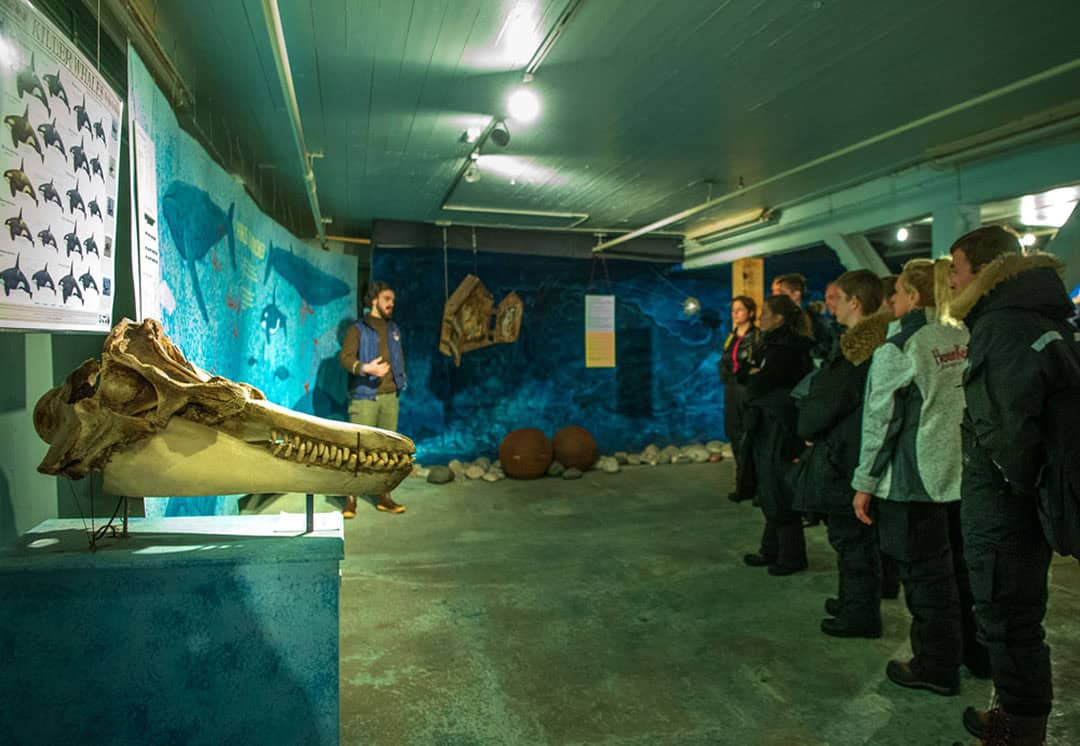
The Whale-Fact Room
Also known as the Enlightenment Room, this area presents photos, research artifacts, and biological facts. It introduces guests to ongoing local marine research and whale behaviors.
Read the research logs to learn how scientists identify individual sperm whales.
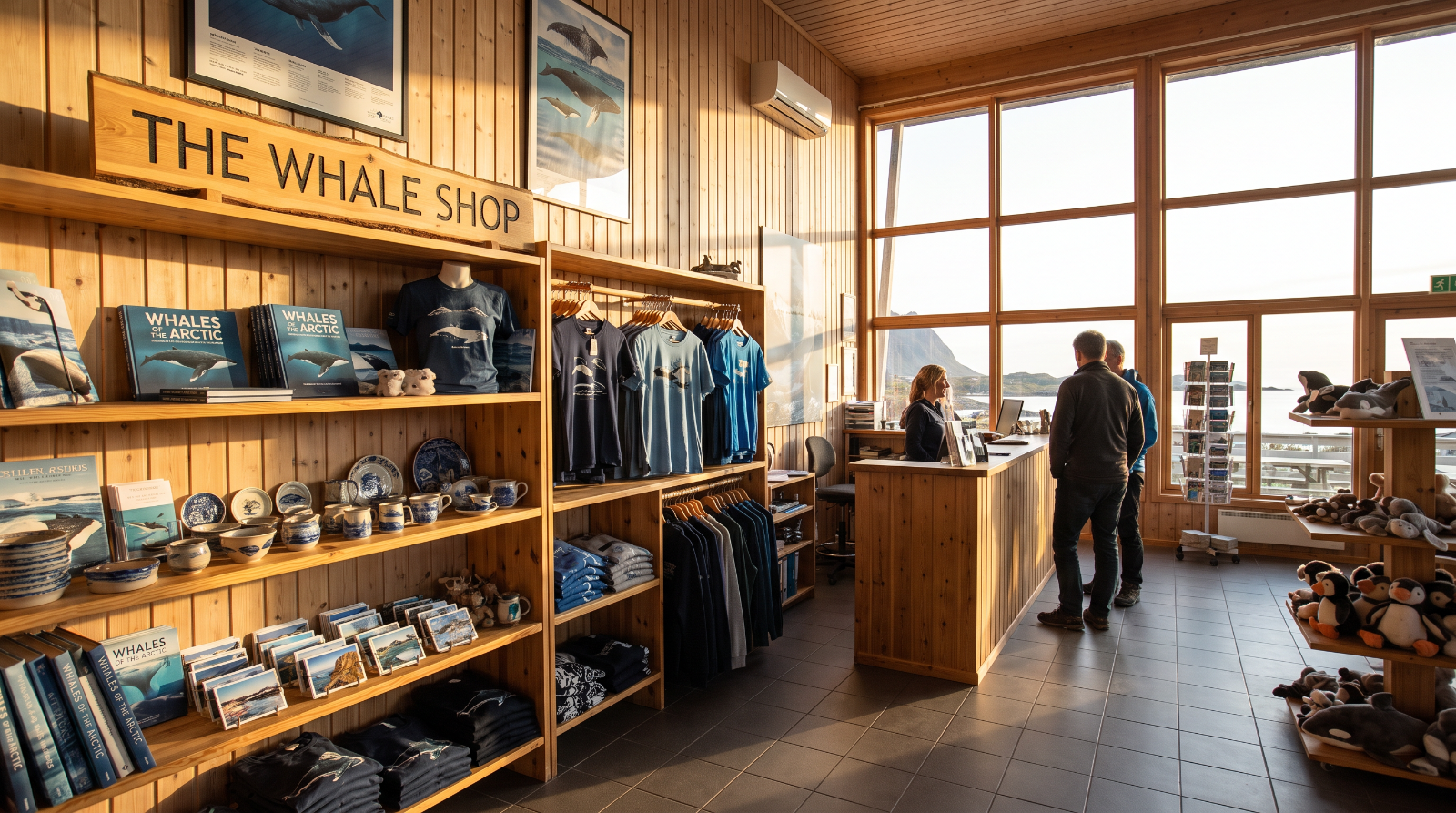
The Whale Shop
Located near the reception desk, the gift shop offers a curated selection of marine-themed souvenirs and educational materials. Visitors can purchase local crafts, clothing, postcards, and books written by local whale researchers.
Browse the book section for publications authored by the local research guides.
Opening Hours for the Andenes Whale Watching Building
The Andenes whale watching building is open daily from morning until late evening, providing access to the reception, shop, and exhibition area.
| Monday | 08:00–21:00 | Daily schedule |
|---|---|---|
| Tuesday | 08:00–21:00 | Daily schedule |
| Wednesday | 08:00–21:00 | Daily schedule |
| Thursday | 08:00–21:00 | Daily schedule |
| Friday | 08:00–21:00 | Daily schedule |
| Saturday | 08:00–21:00 | Daily schedule |
| Sunday | 08:00–21:00 | Daily schedule |
These hours apply to the main summer season, while winter schedules depend on seasonal tour availability.
Admission Fees for the Andenes Whale Watching Building
Admission to the Andenes whale watching building depends on whether visitors are booking a standalone guided exhibition visit or combining it with a boat safari.
A typical adult pays 150 NOK for standalone exhibition entry, though this fee is entirely waived if a whale watching tour is booked instead.
How to Reach the Andenes Whale Watching Building
The Whale Center is located at Hamnegata 1C, situated next to the Andenes Lighthouse at the northern tip of Andøya island. The harbor front facility is easily reached by road or via seasonal ferry crossings.
RV82 from Sortland to Hamnegata 1C
Summer Ferry 180 from Gryllefjord to Andenes Ferjekai
Reis Nordland Line 871 from Sortland to Nordlysparken
Walk from Andenes Ferjekai (Ferry Terminal) to Hamnegata 1C
Best Times to Visit the Whale Safari Building in Andenes
The recommended time to visit the Whale Safari building is between 09:00 and 11:00, which aligns with early check-in for morning boat departures and offers quiet time in the exhibition.
Weekday mornings (09:00–11:00)
Moderate check-in traffic—
Arriving during this window ensures a smooth check-in prior to morning tour departures and provides ample time to explore the indoor displays.
Peak Summer (June–August)
High seasonal visitor numbersAverage 9°C to 14°C, cool breezes
These months offer the most frequent whale watching departures and the presence of the midnight sun.
Shoulder Season (September)
Low to moderate crowdsAverage 7°C to 11°C, frequent rain
The building sees fewer crowds as boat tour schedules begin to wind down, allowing for quieter viewing.
Verdict: The ideal time to visit is a weekday morning between 09:00 and 11:00 from June to August.
Dining Options at the Andenes Whale Safari Building
Visitors seeking sustenance before or after a boat tour can choose between the on-site cafe and local alternatives within walking distance of the harbor.
Moby Dick Café
€€café
Situated directly inside the Whale Center at Hamnegata 1C, this harbor-view venue serves hot drinks, light pastries, and basic snacks.
Arresten
€€€restaurant
Located roughly 600 meters from the Whale Center at Prinsensgate 6, this eatery sits in a converted 150-year-old jail and serves regional fish and steak.
Lysverket kafé
€€café
Positioned 550 meters away at Kong Hans gate 1b, this spot offers fresh bread, homemade cakes, and filter coffee in a quiet setting.
Bunnpris Andenes
€market
For visitors wanting to bypass restaurant prices, this supermarket sits at Myrveien 1 and supplies bakery items, fruit, and pre-made sandwich ingredients.
Attractions Near the Whale Safari Building
Visiting the Whale Center pairs well with exploring the harbor area of Andenes. Within walking or driving distance, you can discover local polar history, coastal landmarks, and space exploration displays.
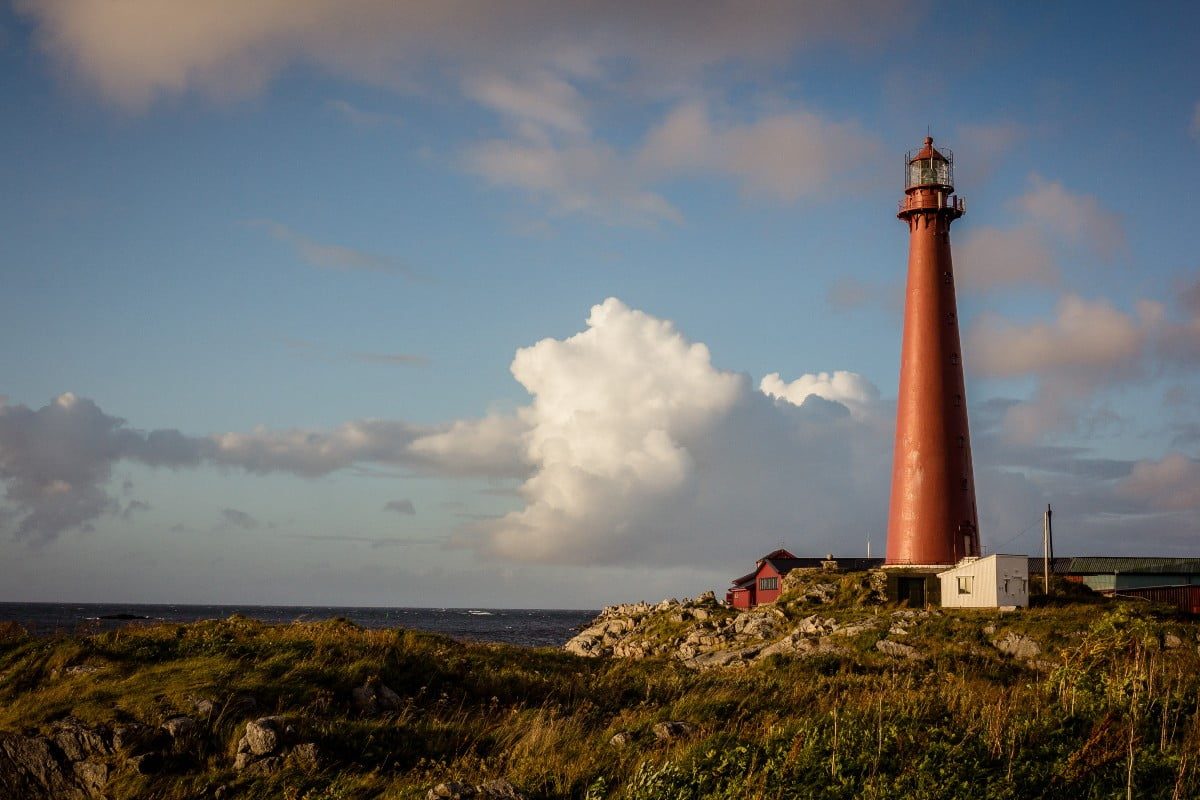
Andenes Lighthouse
This red cast iron tower stands 40 meters tall and was built in 1859. Visitors can climb its 148 steps for views over the harbor and the Norwegian Sea.
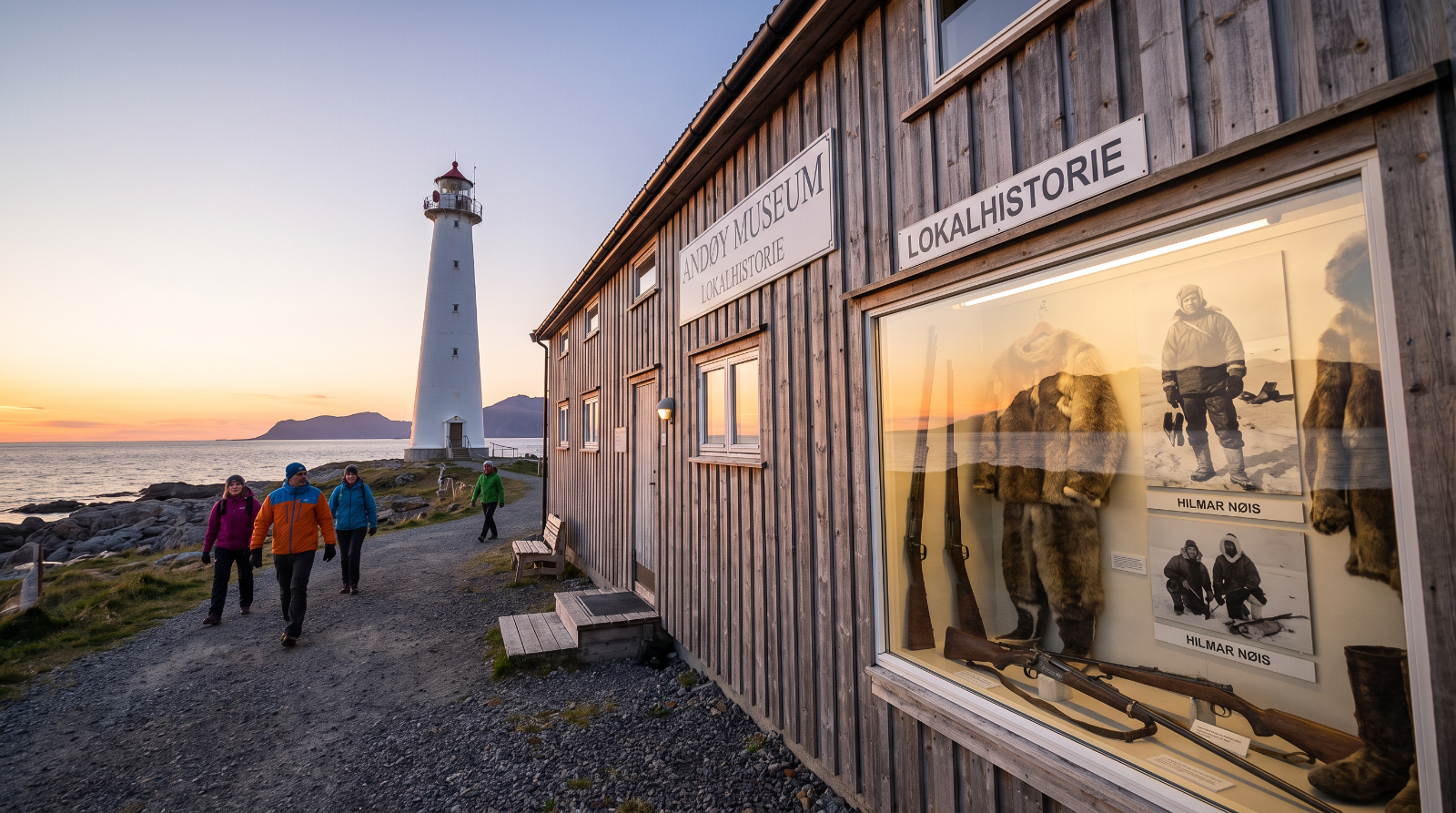
Andøy Museum
The museum showcases local history, highlighting Arctic hunting heritage and the life of polar trapper Hilmar Nøis. It is situated right beside the lighthouse.
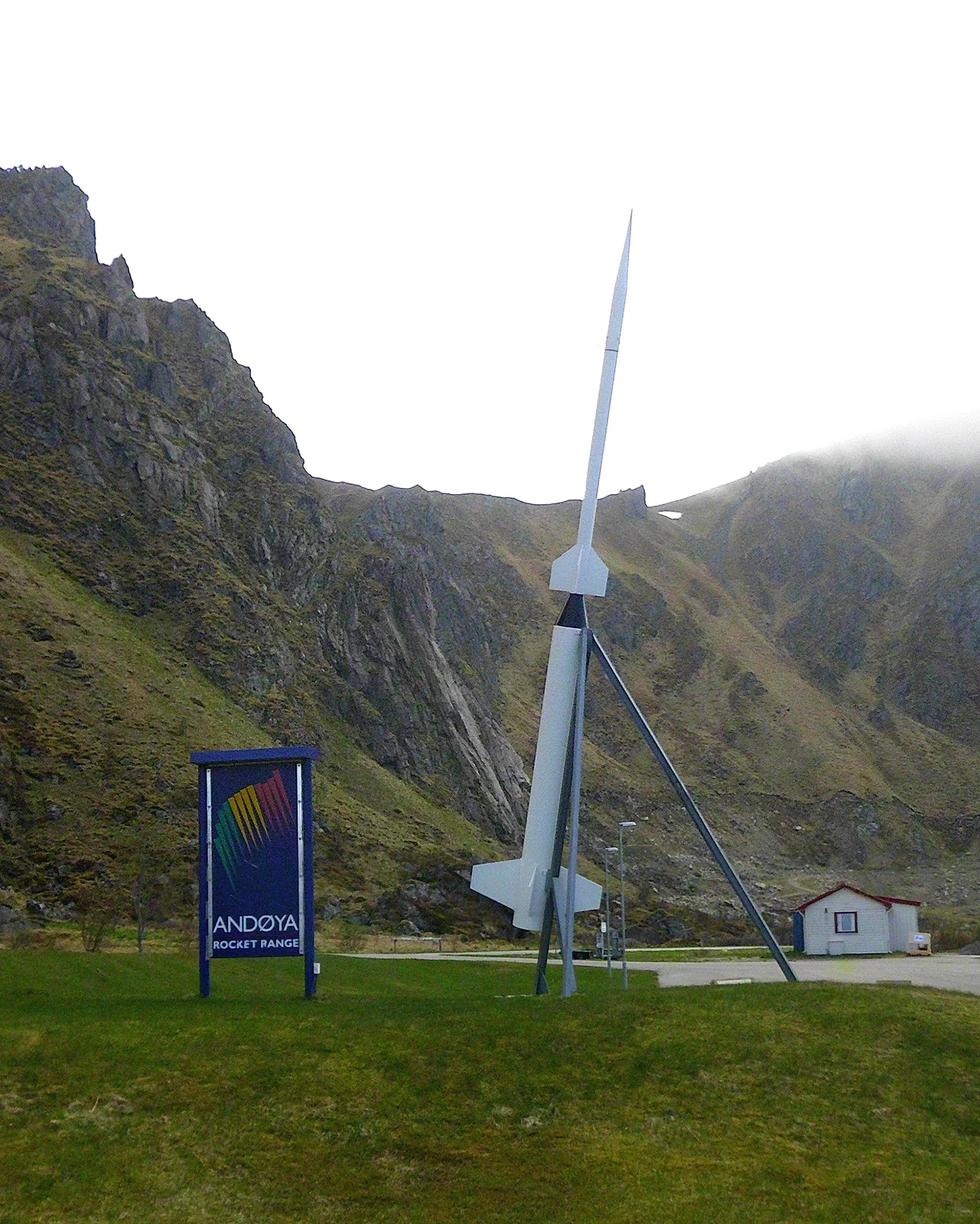
Spaceship Aurora
This center teaches visitors about space travel, rocket launches from Andøya, and the physics of the Northern Lights. It offers virtual missions and interactive displays.
History and the Future of the Andenes Whale Watching Building
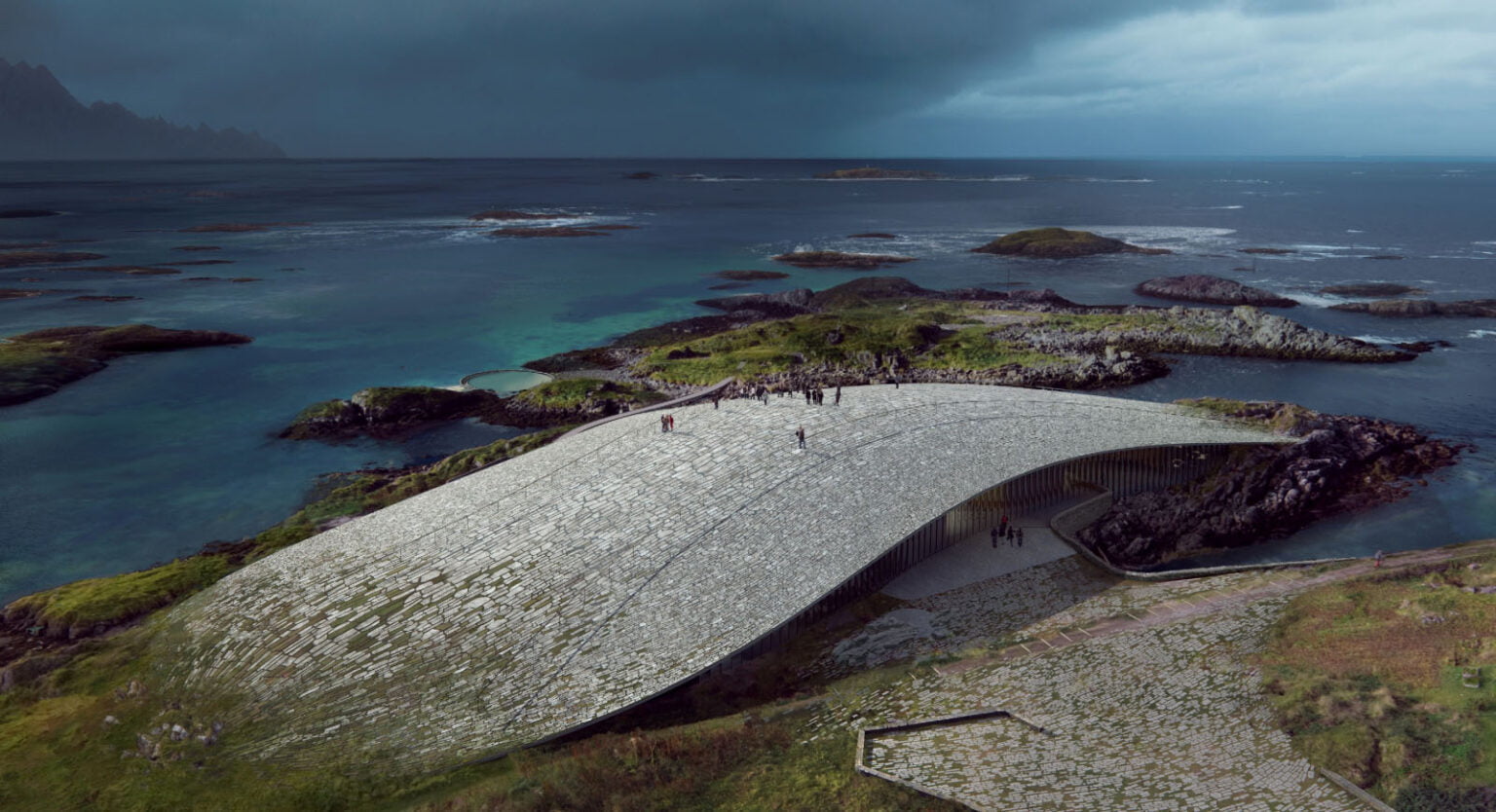
Hvalsafari Andenes was founded in 1989, among the first ventures in Norway to make sperm whales an object of organised public study. The location was deliberate. Off Andøya, the Bleik Canyon drops steeply into the Norwegian Sea, drawing whales close to the Vesterålen coast. Early whale safari tours combined marine research with careful tourism. A modest harbour base at Hamnegata became the operation's anchor. The andenes whale watching building grew from that base into a permanent visitor centre. Its Whale Exhibition documented the biology of these Arctic waters and the currents beyond. Skeletons and marine displays gave the harbourfront a scientific weight. For three decades the site shaped how travellers understood the region's marine life. A larger chapter is now underway. In 2019 the Danish architect Dorte Mandrup won the commission to design 'The Whale', a museum and cultural venue on the same shoreline. The design sets a low, curved roof that appears lifted from the rock, echoing a whale's back against the horizon. Construction advanced through the early 2020s. 'The Whale' is slated to open in 2027, close to the existing quay. The new andenes whale watching building will gather exhibition, research and public education under one sculpted form. Its completion marks the clearest turning point since 1989. Today a visitor at Hamnegata 1C reads both eras at once: the working harbour that launched the first sperm whale expeditions, and the rising concrete shell of The Whale taking shape nearby. The original centre still operates. The new landmark waits on the same water.
Hvalsafari Andenes is founded, pioneering organised sperm whale study off the Andøya coast.
The harbourfront visitor centre and its Whale Exhibition open to the public at Hamnegata.
Danish architect Dorte Mandrup wins the commission to design 'The Whale' on the same shoreline.
Construction of 'The Whale' advances beside the existing Andenes quay.
'The Whale' is slated to open, consolidating exhibition, research and public education.
Check availability
FAQ about the andenes whale watching building
Everything you need to know about andenes whale watching building