
Quick answer
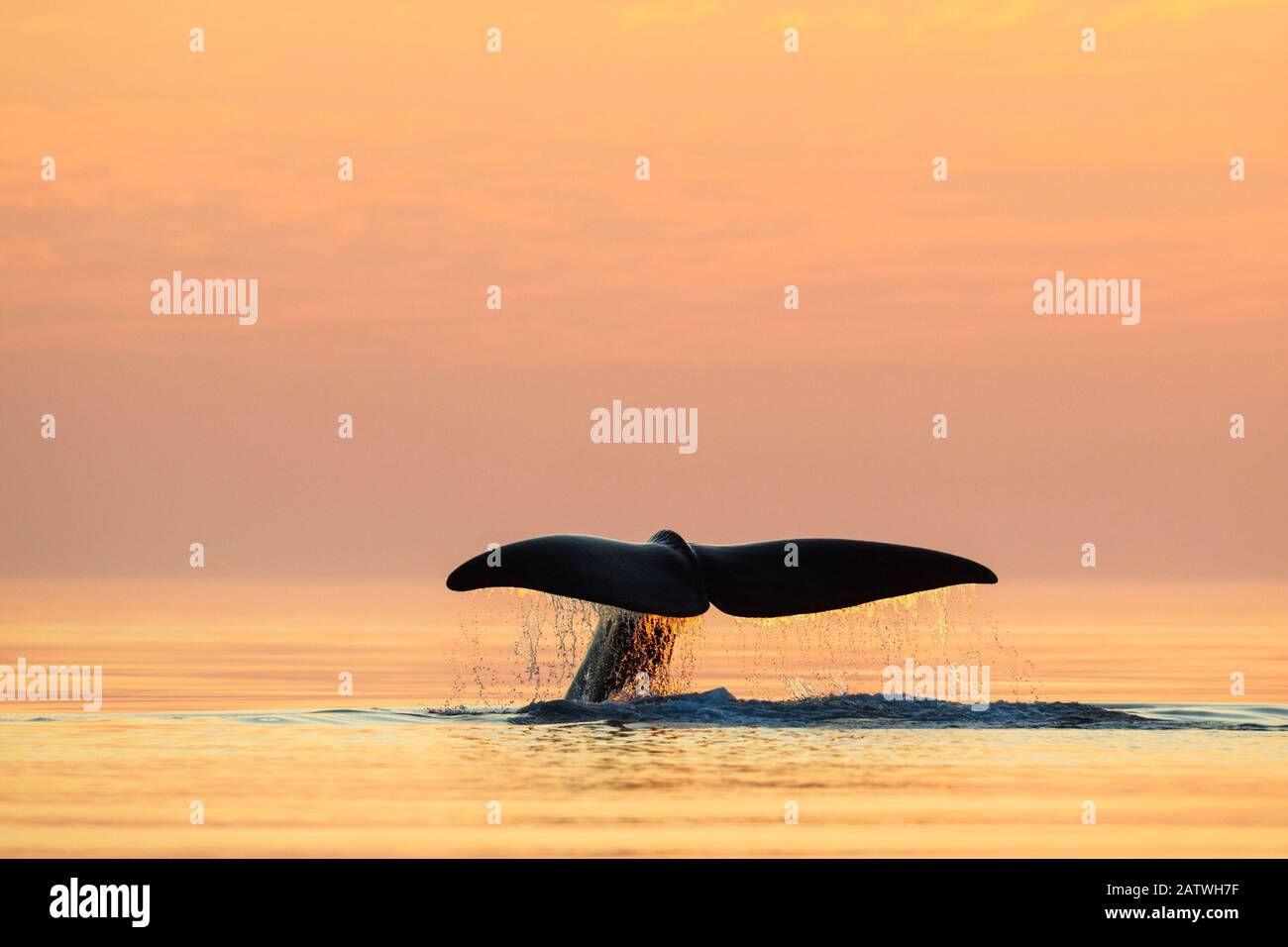
The andenes whale watching season runs year-round: sperm whales feed in the Bleik Canyon just offshore in every month. Summer, from late spring to August, offers the calmest seas and longest daylight, while winter draws orcas and humpbacks to the herring further north. Departures still depend on daily sea conditions rather than the date alone.
Few coastal towns can promise whales in every month of the year, yet Andenes sits at the northern tip of Andøya where a deep submarine trench, the Bleik Canyon, drops to more than a thousand metres just minutes offshore. That underwater cliff draws squid, and the squid draw resident sperm whales, which is why the andenes whale watching season stretches across the calendar rather than closing after summer. The town has organised marine mammal excursions from its small harbour for decades, and the rhythm of departures still follows the sea more than the clock. Sperm whales here are almost all mature males, feeding in the cold, deep water before returning south to breed. Understanding the season means separating two things. Summer, from late spring through August, brings long daylight, the midnight sun, and the calmest crossings of the Norwegian Sea; sperm whales are the near-certain sighting, with pilot whales, minke, and the occasional humpback rounding out a trip. Winter shifts the story north and east toward the herring, when orcas and humpbacks gather in the fjords of Vesterålen and neighbouring Tromsø waters. A whale watching tour in Andenes during these darker months trades comfort for spectacle, and the boats read the forecast closely. What visitors do with that knowledge is simple. The Andenes exhibition and its guided displays sit at Hamnegata 1C, a short walk from the quay, and staff there brief every group on hydrophone recordings, whale biology, and the day's conditions before anyone boards. Sea state, not the season alone, decides whether a departure runs, so flexible plans win. Travellers comparing an Andøya whale safari across different weeks should weigh daylight, water temperature, and which species they most want to see. The practical takeaway for anyone planning around the andenes whale watching season guide is to book a specific date early, keep a spare day in reserve, and treat the posted departure as a target rather than a promise. The canyon does the work; the weather sets the schedule. Andenes rewards patience with some of the most reliable large-whale encounters in Europe, whatever the month on the ticket. Repeat visitors often say the wait, when it comes, is part of the record itself.
“The canyon does the work; the weather sets the schedule.”
Choosing the Peak Months of the Andenes Whale Watching Season
The prime window for whale watching in Andenes is from June to August, when the summer weather stabilizes and the resident sperm whale population is most active. Planning a morning trip within this window provides the calmest sea states and the clearest Arctic light.
Summer (May to September)
Moderate to high visitor volumesCool, 8°C to 14°C, midnight sun
This period offers reliable sightings of resident sperm whales and nesting puffins. Midnight sun trips are available during June and July when daylight is continuous.
Winter (October to January)
Lower turnout, higher on weekendsCold, -3°C to 2°C, polar night
Migratory humpbacks and orcas enter local waters following herring schools. Departures depend heavily on brief twilight hours and stable weather conditions.
Daily Mornings (08:00–10:00)
Peak check-in activity at reception—
Checking in during this window ensures access to morning departures. Morning trips benefit from generally calmer sea states and more predictable wind patterns.
Verdict: Book a weekday morning departure between June and August, arriving between 08:00 and 10:00 for the optimal sea conditions and tour check-in.
Step-by-Step Experience During the Andenes Whale Watching Season
A typical Andenes whale watching day runs as an ordered sequence from reception check-in to the open-sea safari, usually spanning several hours depending on where the whales are found. Following these steps in order keeps your morning smooth from arrival to boarding.
Check in at reception
Arrive at Hamnegata 1C, 8480 Andenes and confirm your booking at the desk. People often turn up right at departure; check in with time to spare so staff can process everyone before the vessel leaves.
Explore the guided whale exhibition
Walk through the guided whale exhibition to learn about the species you may encounter at sea. Many skip it while waiting, but it gives context that makes the sightings easier to understand.
Attend the safety briefing
Join the mandatory safety briefing before boarding, where the crew explains movement, handrails and what to do in rough water. Do not wander off during this window, as latecomers can delay the whole group.
Collect your gear and suit
Receive the weatherproof gear or suit issued at the base and put it on before heading to the dock. Size it properly here rather than at the gangway, where the queue moves quickly.
Board the vessel
Follow the crew to the pier and board for the open-sea safari, keeping to the boarding order they call. Trying to rush ahead slows loading, so wait for your group to be signalled.
Return and disembark
Head back to Andenes harbour at the end of the safari and disembark once the crew secures the vessel. Return borrowed gear before you leave so it is ready for the next departure.
Misconceptions and Truths About the Andenes Whale Watching Season
While Andenes is famous for whale watching, visitors often encounter misconceptions regarding which species are active and when tours operate. Clarifying these details helps set realistic expectations for your Arctic sea voyage.
MythSperm whales are only visible off Andenes during the winter season.
FactThe deep Bleik Canyon near Andenes allows male sperm whales to feed close to shore year-round, meaning they can be seen on both summer and winter tours.
MythSummer whale watching tours in Andenes guarantee sightings of wild orcas.
FactOrcas are migratory and follow herring schools, meaning they are rarely seen during summer tours and are more commonly sighted during the winter months.
MythYou must travel far into the open ocean to spot any whales from Andenes.
FactBecause the continental shelf drops sharply into the deep Bleik Canyon near Andenes, tours reach the active feeding grounds quickly from the harbor at Hamnegata 1C, 8480 Andenes, Norway.
Exhibition Entry Fees and Booking Information
Admission to the Whale Center's guided whale exhibition in Andenes is priced at a flat rate, though visitors booking a boat safari receive complimentary access to the displays and lectures.
A typical adult visitor pays 150 NOK for the exhibition tour, but travelers are advised to book boat safaris directly online ahead of time via the official site https://whalesafari.no/.
Whale Center Opening Hours and Daily Schedules
The Whalesafari center in Andenes is open daily from 08:00 to 21:00 during the whale watching season. Visitors should verify the daily departure schedule as boat times depend on daylight and weather conditions.
| Monday | 08:00–21:00 | Check-in times vary |
|---|---|---|
| Tuesday | 08:00–21:00 | Check-in times vary |
| Wednesday | 08:00–21:00 | Check-in times vary |
| Thursday | 08:00–21:00 | Check-in times vary |
| Friday | 08:00–21:00 | Check-in times vary |
| Saturday | 08:00–21:00 | Check-in times vary |
| Sunday | 08:00–21:00 | Check-in times vary |
Daily schedules and boat departures are adjusted based on seasonal weather conditions and daylight availability.
Getting to Andenes for Your Whale-Watching Adventure
The whale-watching headquarters at Hamnegata 1C sits on the northern shore of Andøya island, directly adjacent to the deep-water Bleik Canyon. Travelers can reach this remote maritime hub via regional flights to Andøya Airport (ANX), the scenic coastal highway Fv82, or summer car ferries.
Fv82 road north from Sortland to Hamnegata 1C
Reis Nordland Route 871 from Sortland Terminal to Andenes
Torghatten Route 180 summer ferry from Gryllefjord to Andenes Ferjekai
Flyplassveien and Hamnegata from Andøya Airport (ANX) to Hamnegata 1C
Preparation Checklist for the Andenes Whale Watching Season
Pack for open-ocean conditions off Andenes, working from the weeks before your trip down to the morning you sail.
-
Confirm your booked slot in advance — Secure your place through the site's booking pages before you travel.
-
Pack windproof outer layers — The exposed deck stays cold and wet even in mild weather.
-
Wear thermal underwear underneath — Base layers hold warmth through several hours at sea.
-
Bring non-slip footwear — Wet decks get slippery and closed, gripping soles keep you steady.
-
Attach a camera safety strap — A wrist or neck strap stops gear going overboard in swell.
-
Take motion sickness remedies — Dose before departure since open water can bring rough swell.
-
Arrive between 08:00 and 10:00 — Early check-in fits calmer morning sea conditions at Hamnegata 1C.
Nearby Attractions to Visit in Vesterålen
Pair your marine safari with Vesterålen's coastal landscapes and scientific landmarks. These nearby destinations complement a morning at sea with beach walks, bird watching, and space exhibits.
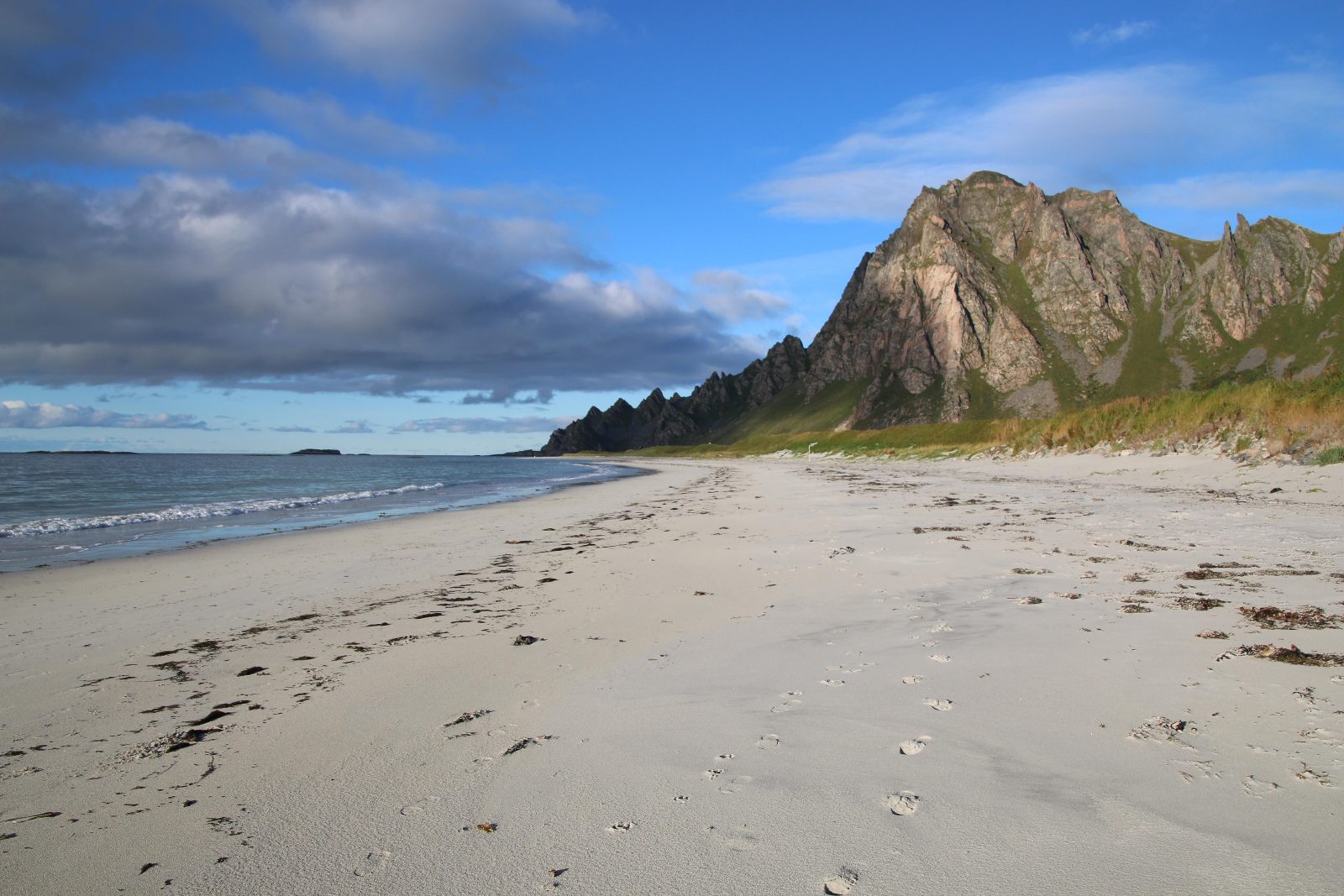
Bleik Beach
Walk along one of Norway's longest white-sand beaches, framed by deep mountain ridges. It offers a calm space to unwind after a morning spent on the open ocean.
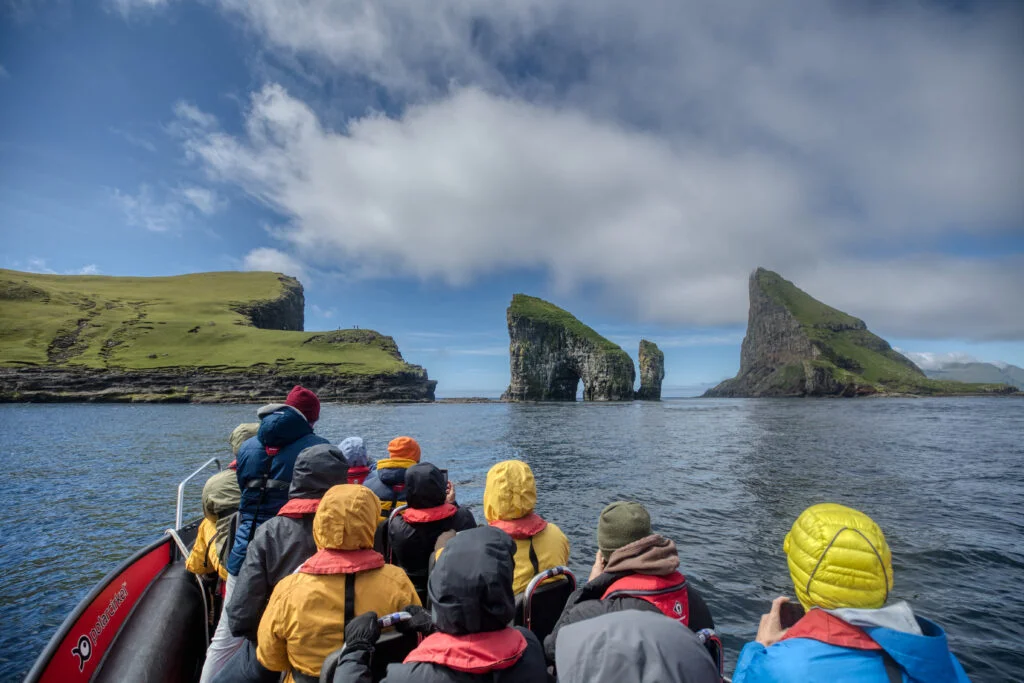
Bleik Puffin Safari
Board a local boat to view the nesting puffin colony on the conical island of Bleiksøya. This trip allows you to combine whale watching with close encounters of native Arctic bird species.
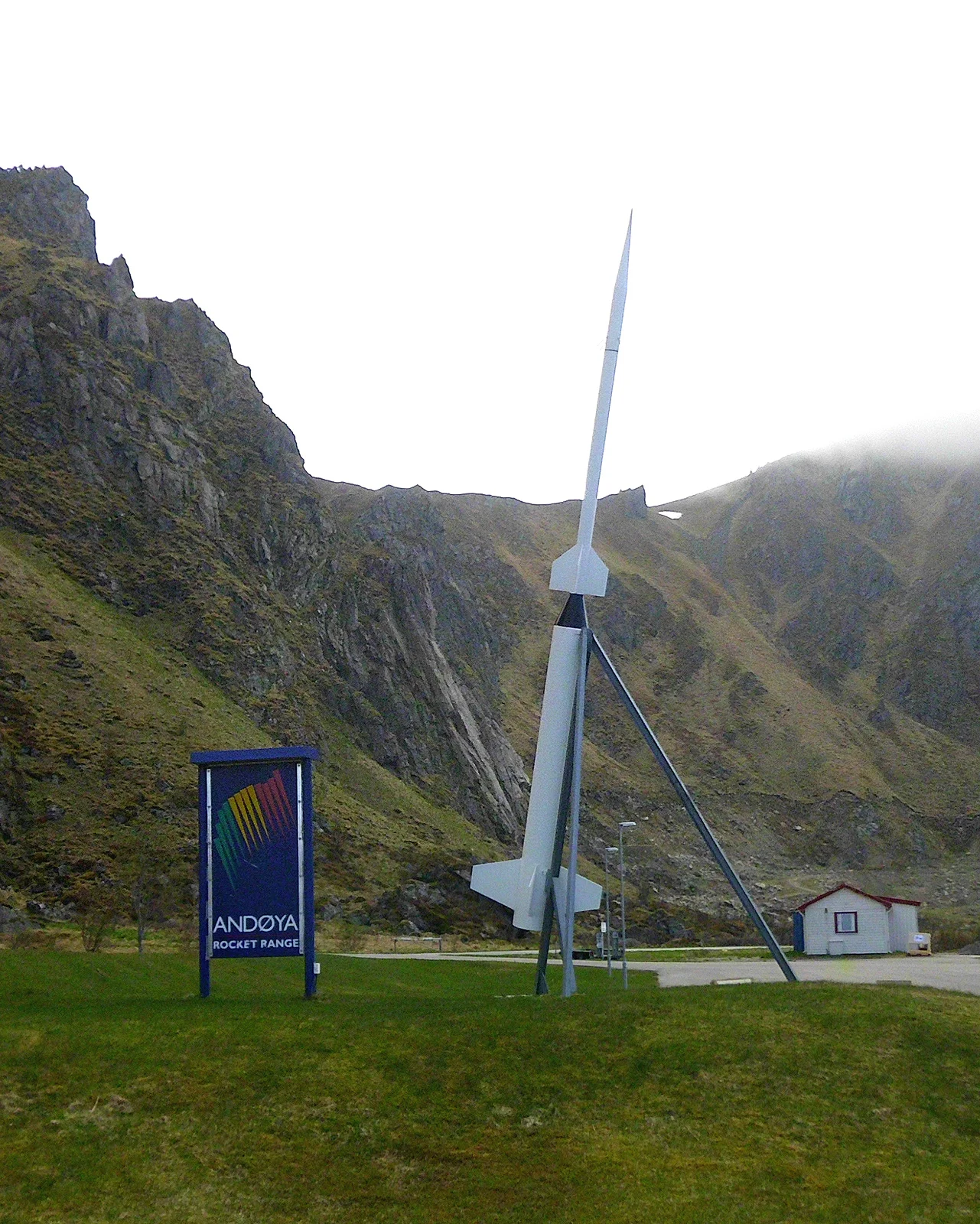
Andøya Space and Spaceship Aurora
Explore interactive science exhibits and simulator missions at Norway's active rocket range. The educational displays detail the northern lights and polar research programs.
Check availability
FAQ: Andenes whale watching season
Everything you need to know about andenes whale watching season